
Wisdom teeth often arrive later than the rest of your adult teeth, and for many people, there simply is not enough room for them to come in comfortably. When wisdom teeth become impacted, partially erupted, or difficult to keep clean, they can create problems that affect nearby teeth and gum health. At Dental Spa of Orange, we provide clear guidance and supportive care so patients in Orange, CA understand their options and feel prepared for wisdom tooth removal and recovery.
What Are Wisdom Teeth?
Wisdom teeth are the third molars located at the very back of the mouth. Most people develop up to four wisdom teeth, two on the top and two on the bottom, though some people have fewer or none at all. Wisdom teeth typically begin to erupt in the late teens or early twenties, but timing can vary.
Because wisdom teeth are the last to appear, they often have limited space to come in properly. When that happens, they may erupt at an angle, remain trapped under the gums, or partially break through the tissue. These situations can increase the risk of infection, crowding, and discomfort.
Wisdom teeth can be:
- Fully erupted and positioned normally.
- Partially erupted, leaving gum tissue covering part of the tooth.
- Impacted beneath the gumline or bone.
- Angled toward neighboring teeth, which may cause pressure or damage.
Reasons For A Wisdom Tooth Extraction
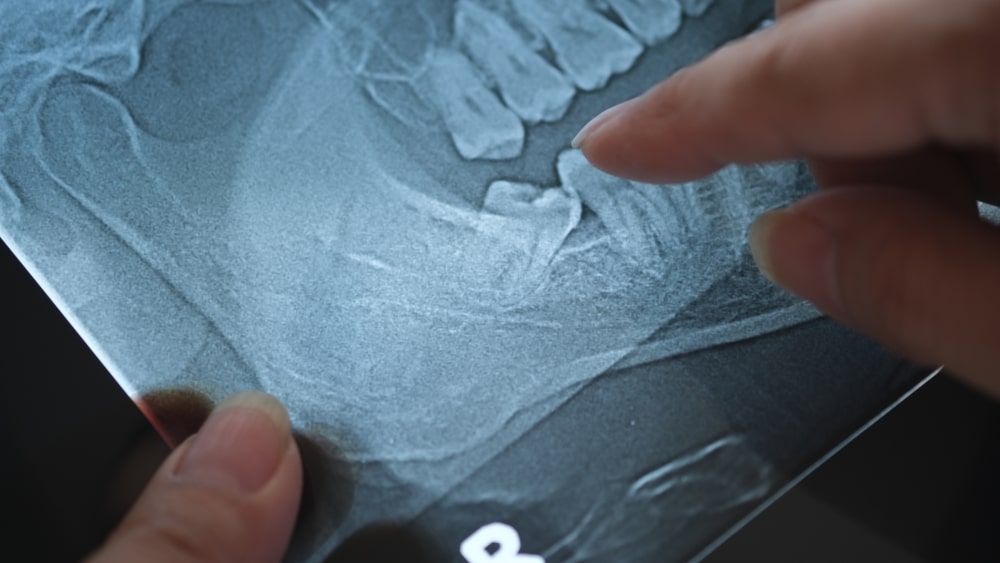
Not all wisdom teeth need to be removed, but extraction is often recommended when wisdom teeth are likely to cause problems now or in the future. The position of the tooth, the health of surrounding tissue, and your ability to keep the area clean are all important factors.
Common reasons for wisdom tooth extraction include:
- Impaction: Wisdom teeth trapped beneath the gums or bone that cannot erupt properly.
- Crowding pressure: Wisdom teeth pushing against other teeth and contributing to shifting.
- Infection risk: Partially erupted teeth creating a flap of gum tissue where bacteria can collect.
- Decay: Wisdom teeth that are difficult to brush and floss, leading to cavities.
- Gum inflammation: Recurrent irritation or swelling around the back molars.
- Damage to nearby teeth: Pressure that can weaken or harm the second molars.
- Cyst formation: Fluid-filled sacs that can develop around impacted teeth and affect bone or nearby roots.
We evaluate your wisdom teeth carefully and explain why removal may be recommended for your specific situation.
Signs You Need Your Wisdom Teeth Extracted
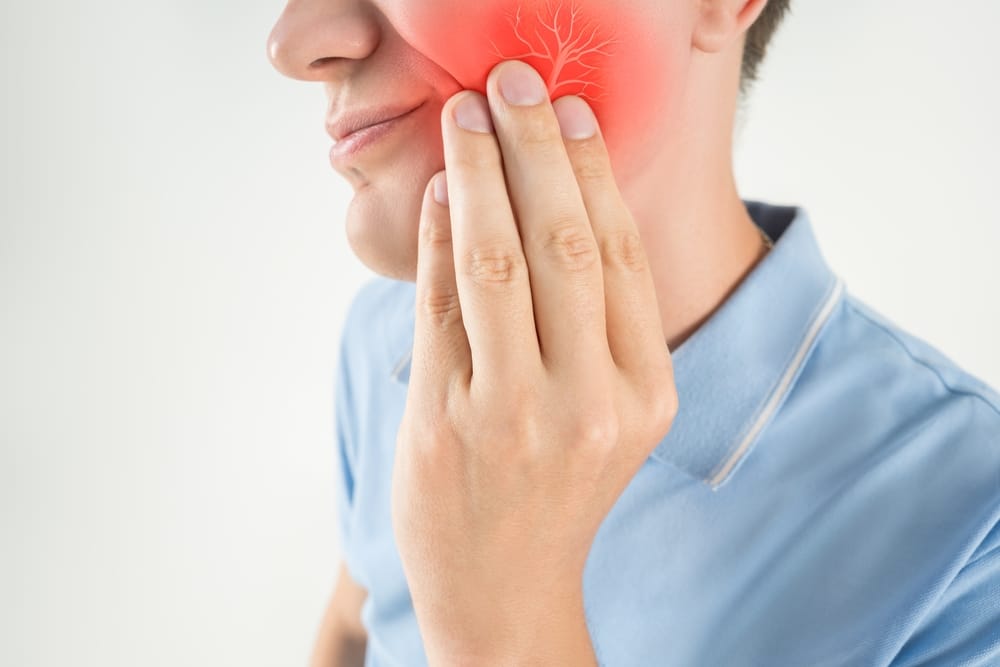
Some people experience obvious symptoms, while others have concerns identified during an exam or imaging before symptoms appear. If you notice changes near the back of your mouth, it is a good idea to schedule an evaluation.
Signs that may indicate wisdom teeth are causing trouble include:
- Pain: Discomfort or pressure near the back molars that comes and goes or worsens.
- Swelling: Puffy, tender gum tissue behind the second molars.
- Infection signs: Bad taste, bad breath, or drainage near the area.
- Jaw tenderness: Soreness, stiffness, or difficulty opening fully.
- Chewing discomfort: Pain when biting down in the back of the mouth.
- Crowding changes: Teeth that appear to be shifting, especially in the lower front.
- Recurrent irritation: Gum tissue that feels inflamed or repeatedly sore.
Even mild symptoms can signal that a tooth is partially trapped and difficult to clean. Addressing the issue early can reduce the risk of infection and more complicated extraction needs later.
Post-Operative Care & Recovery
Recovery after wisdom tooth removal depends on factors such as how the teeth are positioned, whether they are impacted, and how your body heals. Many patients experience swelling and tenderness for a few days, with gradual improvement as healing progresses. We provide clear aftercare instructions so you can heal comfortably and reduce the risk of complications.
- Gauze pressure: Biting gently on gauze as directed to support clot formation.
- Swelling control: Using cold compresses during the first day to help reduce swelling.
- Soft foods: Choosing soft, easy-to-eat foods while the area is tender.
- Hydration: Drinking water regularly and avoiding hot beverages at first if instructed.
- No straws: Avoiding straws and suction, which can disturb the healing clot.
- Gentle hygiene: Brushing carefully and keeping the mouth clean without disturbing the surgical sites.
- Medication guidance: Taking any recommended medication exactly as directed.
- Rest: Limit strenuous activity for the first day or two.
- Elevate: Keep your head elevated when resting to reduce swelling.
- Avoid irritants: Skip tobacco products and alcohol during early healing.
- Follow instructions: Use any recommended rinses once it is safe to do so.
Contact our office if you notice symptoms such as worsening pain after initial improvement, persistent bleeding, swelling that increases significantly, or signs of infection. We can help you determine what is normal and what needs attention.
Get Confident, Supportive Care For Wisdom Tooth Removal
If your wisdom teeth are causing discomfort or are likely to create future problems, removal can protect your oral health and help you avoid ongoing issues. Our team will explain your options, guide you through what to expect, and provide recovery support designed for a smooth healing experience. Schedule a wisdom tooth evaluation with Dental Spa of Orange and get the care you need in Orange, CA.