
When your upper and lower jaws do not align properly, it can affect far more than the appearance of your smile. Bite imbalance may contribute to difficulty chewing, speech challenges, jaw discomfort, uneven tooth wear, and long-term strain on the teeth and joints. Corrective jaw surgery, also called orthognathic surgery, is a specialized procedure designed to reposition the jaws for improved function and facial balance. At Dental Spa of Orange, we help patients in Orange, CA understand when corrective jaw surgery may be appropriate and how dental and orthodontic planning supports the best possible outcome.
Understanding Orthognathic Surgery
Orthognathic surgery is a surgical correction of the jawbones to improve how the jaws fit together. It is typically performed by an oral and maxillofacial surgeon and often coordinated with orthodontic treatment. The goal is to create a healthier bite relationship, improve facial proportions, and support stable long-term function.
Orthognathic surgery may be recommended when jaw alignment issues cannot be corrected with orthodontics alone. While braces or clear aligners can move teeth, they cannot reposition the jawbones. If the jaw relationship is significantly off, surgery may be the most effective way to create a stable bite and reduce functional strain.
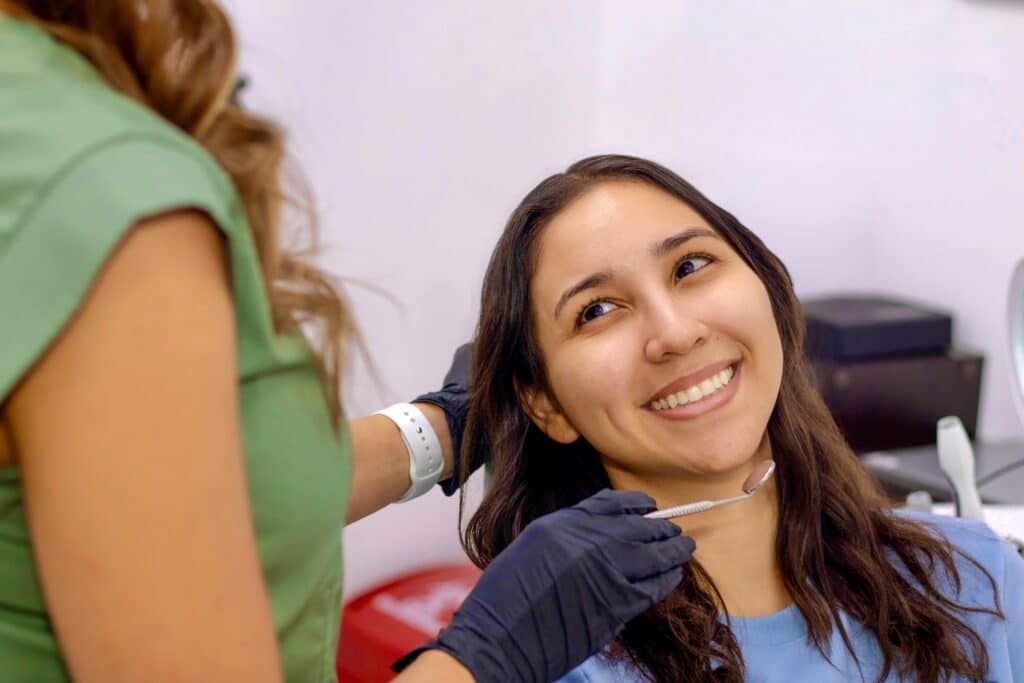
Functional & Aesthetic Benefits Of Jaw Correction
Corrective jaw surgery is often considered for functional reasons first, but the aesthetic changes can be meaningful as well. Improving jaw alignment can help teeth meet more evenly, which supports more comfortable chewing and reduces uneven wear.
Potential benefits may include:
- Improved ability to bite and chew efficiently.
- Better bite alignment that reduces stress on individual teeth.
- Reduced uneven tooth wear caused by poor contact patterns.
- Improved speech clarity when jaw position affects pronunciation.
- Better airway support in certain cases where jaw position influences breathing.
- Enhanced facial balance by improving jaw proportions and symmetry.
Because every case is different, benefits depend on the specific jaw relationship and the treatment plan created by your care team.

Conditions Treated With Corrective Jaw Surgery
Corrective jaw surgery can address a variety of jaw and bite concerns, especially when growth patterns or past development have led to a mismatch between the upper and lower jaws. It may also be considered when trauma or significant asymmetry affects function.
Conditions commonly addressed include:
- Underbite, where the lower jaw sits forward relative to the upper jaw.
- Overbite or overjet related to jaw position rather than tooth position alone.
- Open bite, where the front teeth do not meet when biting down.
- Crossbite caused by jaw width or jaw position issues.
- Facial asymmetry related to uneven jaw growth.
- Bite instability that contributes to chronic wear or functional strain.
If you have been told you have a skeletal bite issue, an evaluation can help determine whether orthodontic treatment alone may help or whether jaw correction should be considered.
Pre-Surgical Planning & Orthodontic Coordination
Orthognathic surgery is not a single-step solution. It requires detailed planning and close coordination between dental providers, orthodontists, and the surgical team. In many cases, orthodontic treatment happens before surgery to position the teeth in a way that supports the new jaw alignment after correction.
- A full dental exam to evaluate tooth health, gum stability, and bite patterns.
- Digital imaging and records to assess jaw relationships and facial proportions.
- Orthodontic coordination to align teeth for a stable surgical result.
- Treatment sequencing, so each stage builds toward the final bite outcome.
- Bite relationship: How the upper and lower teeth meet and where contact is uneven.
- Tooth position: Whether teeth need orthodontic alignment before surgery.
- Jaw symmetry: Whether the jaws appear balanced or shifted to one side.
- Functional concerns: Chewing difficulty, speech concerns, and joint strain patterns.
- Restorative needs: Whether worn or damaged teeth need protection as part of planning.
This planning stage matters because it helps reduce surprises and supports a more predictable, stable result.
The Surgical Process & Hospital Care
Corrective jaw surgery is typically performed in a hospital or surgical setting by an oral and maxillofacial surgeon. The exact surgical approach depends on whether the upper jaw, lower jaw, or both need repositioning. The surgeon makes precise adjustments to jaw position and stabilizes the new alignment.
While your surgical team will provide the most specific guidance, patients can generally expect:
- A surgical day experience that includes anesthesia and monitored care.
- Post-operative instructions focused on comfort, swelling control, and nutrition.
- Follow-up visits to monitor healing and jaw stability.
- Ongoing orthodontic adjustments after surgery to refine the bite.
If your dental team is coordinating care, the focus is to ensure your teeth, bite, and overall oral health are prepared for surgery and supported throughout your recovery plan.

Recovery Timeline & Long-Term Results
Recovery varies by procedure type and individual healing response. Most patients experience swelling and tenderness early on, with gradual improvement over time. A modified diet is typically recommended during early healing, and follow-up care is important to ensure bite stability and healthy healing.
Recovery considerations may include:
- A staged return to normal eating as healing progresses.
- Ongoing orthodontic care to fine-tune the bite after surgery.
- Monitoring jaw function and comfort as the tissues stabilize.
- Long-term retention planning to help maintain alignment.
Long-term results often depend on good coordination, consistent follow-up, and maintaining healthy teeth and gums before and after treatment. When planning is thorough, jaw correction can provide a stable bite relationship that supports both function and long-term dental health.

Improving Bite Alignment & Facial Balance
One of the most important outcomes of corrective jaw surgery is improving how the teeth and jaws function together. When the bite is more balanced, chewing forces distribute more evenly across the teeth, which can reduce wear patterns and help restorations last longer.
From an aesthetic perspective, adjusting jaw position can also improve facial proportions and symmetry. The goal is not to change who you are, but to correct an imbalance that affects function and appearance. A well-planned approach aims for a natural-looking outcome that supports both comfort and confidence.
Explore Your Options With A Coordinated Treatment Plan
Corrective jaw surgery is a specialized treatment that requires careful evaluation and collaboration. If jaw alignment issues are affecting your bite, comfort, or confidence, our team can help you understand your options and coordinate the next steps with trusted specialists when appropriate. Schedule a consultation with Dental Spa of Orange to discuss bite concerns and jaw alignment planning in Orange, CA.