
Quality sleep is essential for your energy, focus, mood, and long-term health. When breathing is repeatedly interrupted during sleep, it can leave you feeling exhausted even after a full night in bed. Sleep apnea is a common condition that can affect people of many ages, and treatment can make a meaningful difference in daily life. At Dental Spa of Orange, we help patients in Orange, CA understand sleep apnea, recognize the warning signs, and explore treatment options, including oral appliance therapy.
What Is Sleep Apnea?
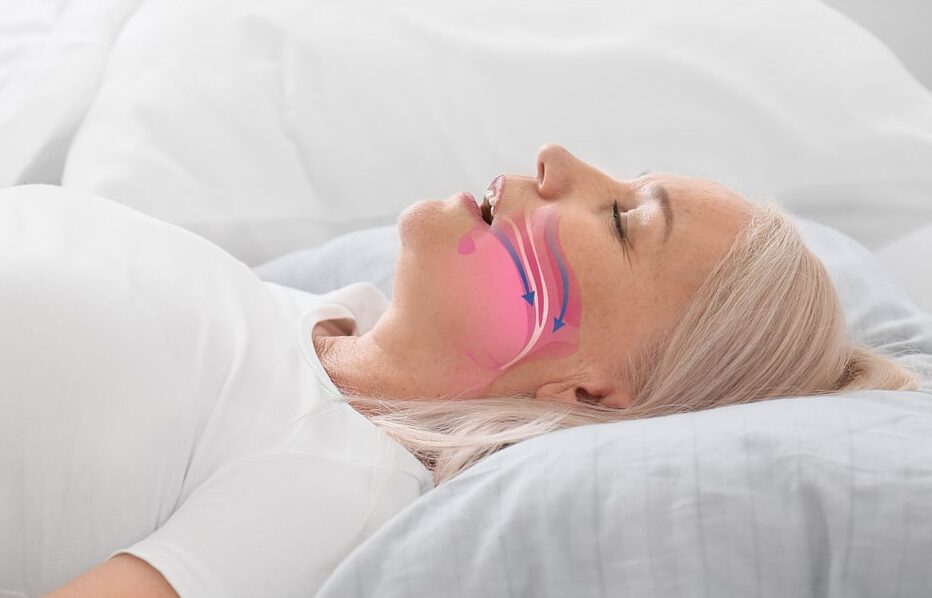
Sleep apnea is a condition in which breathing pauses or becomes significantly reduced during sleep. These interruptions can happen many times throughout the night, often without the person fully waking up or realizing it is happening. When breathing is disrupted, oxygen levels can drop and the brain may briefly signal the body to wake up enough to reopen the airway. Over time, this pattern can reduce sleep quality and place stress on the body.
Sleep apnea may lead to:
- Frequent nighttime awakenings or restless sleep.
- Snoring and breathing irregularities.
- Daytime fatigue and reduced concentration.
- Increased strain on the heart and overall health.
Types Of Sleep Apnea
There are different forms of sleep apnea, and identifying the type can help guide treatment.
Common types include:
- Obstructive sleep apnea: The most common type, caused by the airway becoming blocked when soft tissue relaxes during sleep.
- Central sleep apnea: Caused by the brain not consistently sending proper signals to the muscles that control breathing.
- Complex sleep apnea: A combination of obstructive and central components.
Many dental-focused treatment options are most commonly used to support obstructive sleep apnea, particularly in mild to moderate cases or for patients who cannot tolerate other therapies.
Symptoms Of Sleep Apnea
Sleep apnea symptoms can vary, and some people experience daytime signs more than nighttime ones. Because symptoms can overlap with stress or poor sleep habits, it is helpful to know what patterns may indicate a breathing issue.
Common symptoms include:
- Loud snoring: Snoring that is frequent and disruptive.
- Gasping or choking: Waking up suddenly, feeling short of breath.
- Witnessed pauses: A partner noticing breathing stops during sleep.
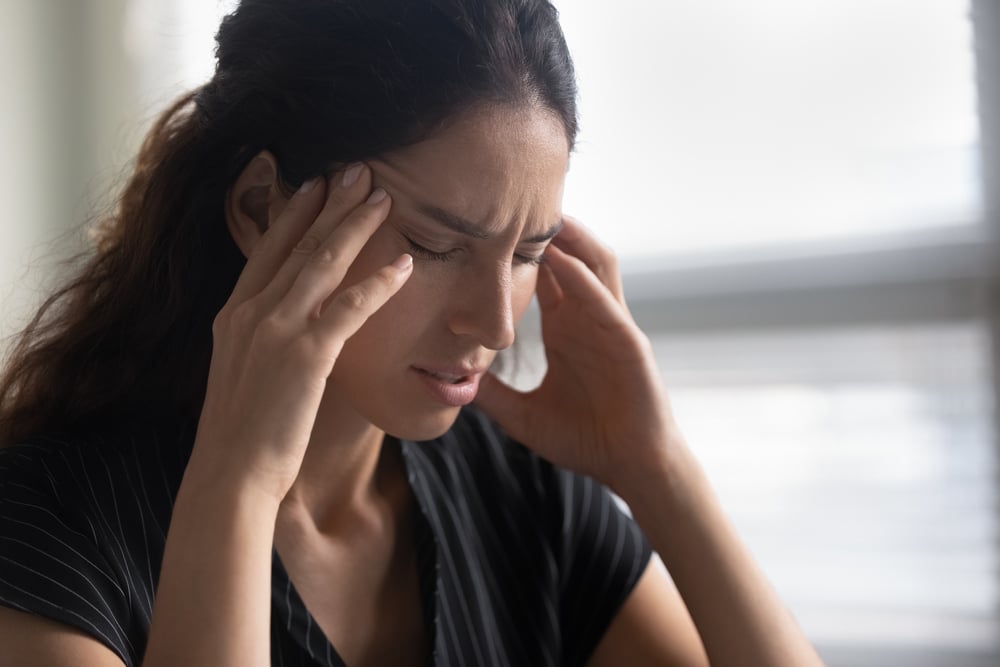
- Morning headaches: Headaches that occur after waking.
- Dry mouth: Waking with a dry mouth or sore throat.
- Daytime fatigue: Feeling tired despite adequate time in bed.
- Irritability: Mood changes, frustration, or increased stress.
- Difficulty concentrating: Brain fog or reduced focus.
If you notice several of these symptoms, especially together, it may be time to pursue diagnostic testing.
Diagnosing Sleep Apnea
Diagnosis is important because it confirms whether sleep apnea is present, identifies severity, and helps determine the best treatment approach. Sleep apnea is typically diagnosed through a sleep study, which measures breathing patterns, oxygen levels, heart rate, and other factors during sleep.
Diagnostic methods may include:
- In-lab sleep studies: Conducted overnight in a sleep center with detailed monitoring equipment.
- Home sleep testing kits: A simplified test completed at home that can measure key indicators such as breathing, airflow, and oxygen levels.
Home testing can be a convenient first step for many patients, while in-lab studies may be recommended when symptoms are complex or when additional monitoring is needed. If you suspect sleep apnea, we can discuss the next step for evaluation and help you understand what testing may be appropriate based on your symptoms.
Risk Factors For Sleep Apnea
Sleep apnea can affect anyone, but certain factors may increase risk. Understanding risk factors can help you recognize patterns and take symptoms more seriously.
Risk factors may include:
- Weight changes: Excess weight can increase soft tissue around the airway.
- Neck size and anatomy: Narrow airways, larger tongues, or structural factors can contribute.
- Age: Risk can increase as muscle tone changes over time.
- Family history: Genetics may influence airway anatomy and sleep patterns.
- Nasal congestion: Chronic congestion can contribute to mouth breathing and airway challenges.
- Alcohol use: Alcohol can relax airway tissues further during sleep.
- Smoking: Smoking can increase inflammation and airway irritation.
Health Risks Of Untreated Sleep Apnea
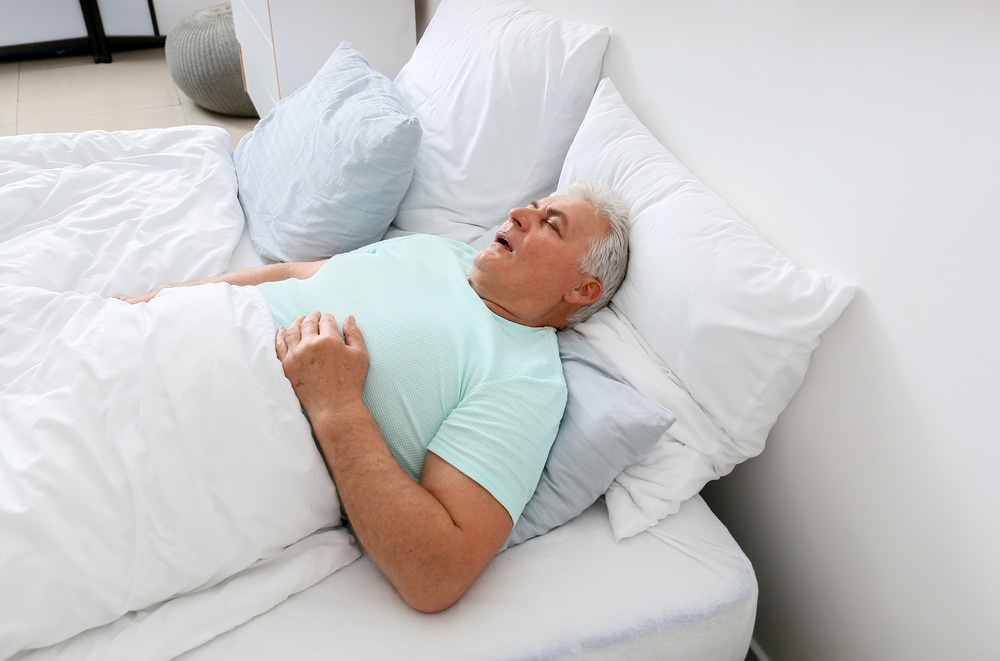
Untreated sleep apnea is more than a sleep quality issue. Over time, repeated oxygen drops and fragmented sleep can increase strain on the body and impact overall wellness. This is why diagnosis and treatment matter, even when symptoms seem manageable.
Untreated sleep apnea may be associated with:
- Cardiovascular strain: Increased risk of high blood pressure and heart-related concerns.
- Daytime safety risks: Increased likelihood of drowsy driving and accidents.
- Metabolic effects: Challenges with weight management and insulin sensitivity in some cases.
- Mood changes: Increased anxiety, irritability, and depression symptoms.
- Lower quality of life: Ongoing fatigue that impacts work, relationships, and health habits.
Sleep Apnea Treatment
Treatment depends on severity, type of sleep apnea, and your individual needs. Many patients benefit from a combination of treatment approaches and lifestyle changes.
Sleep apnea treatment options may include:
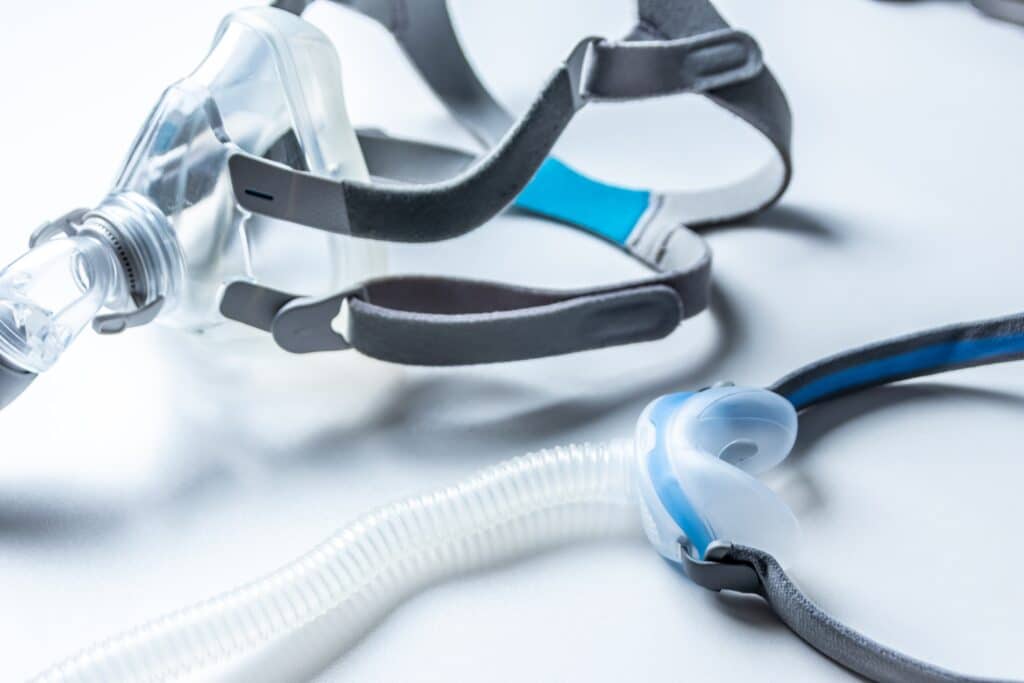
- CPAP therapy, which uses gentle air pressure to keep the airway open.
- Oral appliance therapy, which repositions the jaw to support better airflow.
- Weight and lifestyle support when appropriate.
- Positional strategies to reduce back sleeping in some cases.
- Medical or specialist referrals for certain airway or structural concerns.
We can help you understand where oral appliance therapy may fit within your overall plan.
Oral Appliance Therapy
Oral appliance therapy uses a custom-made device worn during sleep to help keep the airway open. These appliances are designed to reposition the lower jaw and tongue slightly forward, which can reduce airway collapse. Many patients find oral appliances easier to travel with and more comfortable than other options, depending on their case.
- Sleep apnea is mild to moderate.
- Snoring and breathing interruptions are related to airway positioning.
- CPAP is not tolerated or is difficult to use consistently.
- You want a less bulky, more portable treatment option.
- Comfort: A custom fit designed for easier nightly use.
- Convenience: Simple to travel with and easy to store.
- Consistency: Encouraging routine use for better results.
- Support: Ongoing adjustments to help optimize fit and effectiveness.
We also monitor fit over time and coordinate with your sleep physician as needed, since successful treatment depends on both comfort and measurable improvement.
Take The Next Step Toward Better Sleep
If snoring, fatigue, or interrupted breathing is affecting your quality of life, you do not have to manage it alone. Sleep apnea treatment can improve sleep quality, support long-term health, and help you feel more like yourself during the day. Schedule a consultation with Dental Spa of Orange to discuss sleep apnea symptoms and explore oral appliance therapy options in Orange, CA.