
Dental emergencies have a way of happening at the worst possible time. A sudden toothache, a broken tooth, or an injury during sports can quickly turn from inconvenient to urgent. Emergency dentistry focuses on relieving discomfort, protecting your tooth structure, and preventing complications as quickly as possible. At Dental Spa of Orange, we provide responsive care for patients in Orange, CA with clear guidance, supportive treatment, and a plan for what comes next.
What Is Considered A Dental Emergency?
A dental emergency is any situation involving your teeth, gums, or jaw that needs prompt attention to relieve discomfort, stop bleeding, prevent infection, or protect a tooth from further damage. Some concerns feel urgent because they are painful, while others may not hurt at first but can worsen quickly if ignored.
Dental emergencies may include:
- Severe tooth pain that does not improve.
- A cracked, broken, or knocked-out tooth.
- Swelling in the gums, face, or jaw.
- Bleeding that does not stop.
- Trauma to the lips, cheeks, tongue, or gums.
- Signs of infection, such as a gum bump, drainage, or increasing swelling.
If you are unsure whether your situation is an emergency, it is better to reach out sooner so you can get the right guidance.
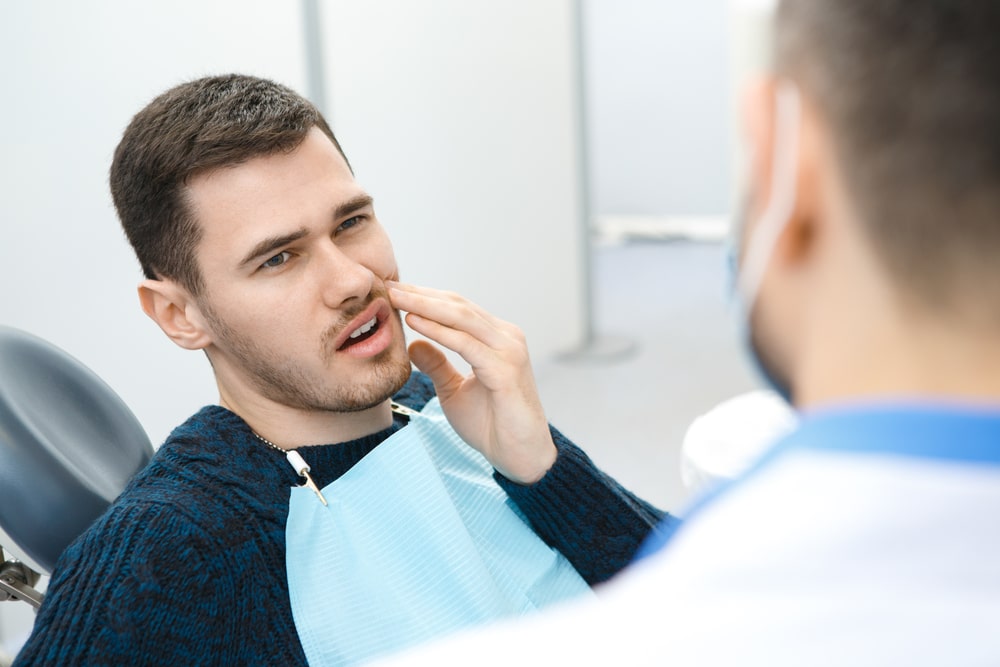
Steps To Take In A Dental Emergency
Knowing what to do in the first moments of a dental emergency can make a big difference in comfort and outcomes. The most important steps are to stay calm, protect the area, and contact our office as soon as possible.
Helpful steps include:
- Call us: Contact our office right away so we can guide you and schedule care as soon as possible.
- Control bleeding: Apply gentle pressure with clean gauze or a clean cloth.
- Reduce swelling: Use a cold compress on the outside of the cheek in short intervals.
- Protect the tooth: Avoid chewing on the affected side and keep the area clean.
- Save broken pieces: If a tooth fractures, save any pieces and bring them with you.
- Handle a tooth carefully: If a tooth is knocked out, hold it by the crown, not the root, and keep it moist.
For injuries that involve difficulty breathing, uncontrolled bleeding, or a suspected jaw fracture, seek immediate medical attention.
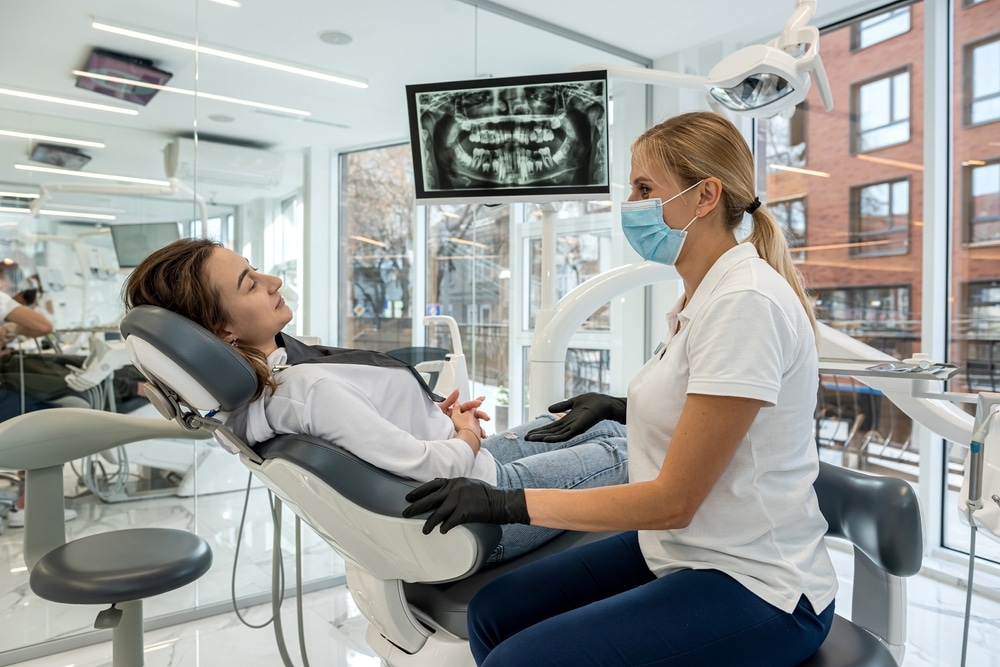
We Offer Same-Day Care
When you are in pain or dealing with dental trauma, timing matters. Same-day emergency care helps address discomfort quickly and can reduce the risk of worsening infection or further tooth damage. Our team prioritizes emergency visits whenever possible so you can get relief and a clear plan for treatment.
Same-day care can help by:
- Relieving discomfort faster.
- Stabilizing damaged teeth before they worsen.
- Treating infection early to reduce complications.
- Providing clear next steps for repair or restoration.
Emergencies We Treat
Dental emergencies come in many forms, and each one requires a thoughtful approach based on the condition of the tooth and surrounding tissues. We focus on diagnosing the cause, addressing urgent symptoms, and then creating a plan for long-term stability.
Common emergencies we treat include tooth pain, fractures, trauma, and soft tissue injuries.
Severe Toothache
A severe toothache can signal deep decay, infection, inflammation inside the tooth, or gum disease. Because pain can spread through nerves and make it hard to pinpoint the exact tooth, an evaluation is important.
A severe toothache may involve:
- Persistent throbbing or sharp pain.
- Pain that worsens when chewing or biting.
- Sensitivity to hot or cold that lingers.
- Swelling in the gums or face.
Treatment depends on the cause and may involve a filling, root canal therapy, or other restorative care.

Cracked Tooth
A crack may be small and hard to see, but it can cause significant sensitivity or pain when biting. Cracks can deepen over time, especially if you continue chewing on the tooth.
Signs of a cracked tooth may include:
- Pain when chewing that comes and goes.
- Sensitivity to temperature changes.
- A rough edge or visible line on the tooth.
Early evaluation can help protect the tooth with a restoration before the crack worsens.

Tooth Fracture
A tooth fracture is a break that may involve enamel, deeper tooth layers, or the entire tooth structure. The urgency depends on the size of the fracture and whether the nerve is exposed.
If a tooth fractures:
- Avoid chewing on that side.
- Save any broken pieces if possible.
- Contact us promptly for evaluation.
Treatment may include bonding, a crown, or other restorative solutions.
Tooth Avulsion
A tooth avulsion means the tooth has been knocked out completely. This is one of the most time-sensitive dental emergencies. In some cases, a tooth may be replanted successfully if care happens quickly.
Important steps include:
- Handle the tooth by the crown, not the root.
- Keep it moist in milk or saliva if possible.
- Do not scrub the tooth.
- Contact our office immediately.
Soft Tissue Trauma
Injuries to the lips, cheeks, tongue, or gums can cause bleeding, swelling, and discomfort. Soft tissue injuries may happen during sports, accidents, or bites.
Soft tissue trauma care may involve:
- Cleaning and evaluating the injury.
- Controlling bleeding and reducing swelling.
- Checking for underlying tooth or jaw damage.
- Providing guidance for at-home healing.
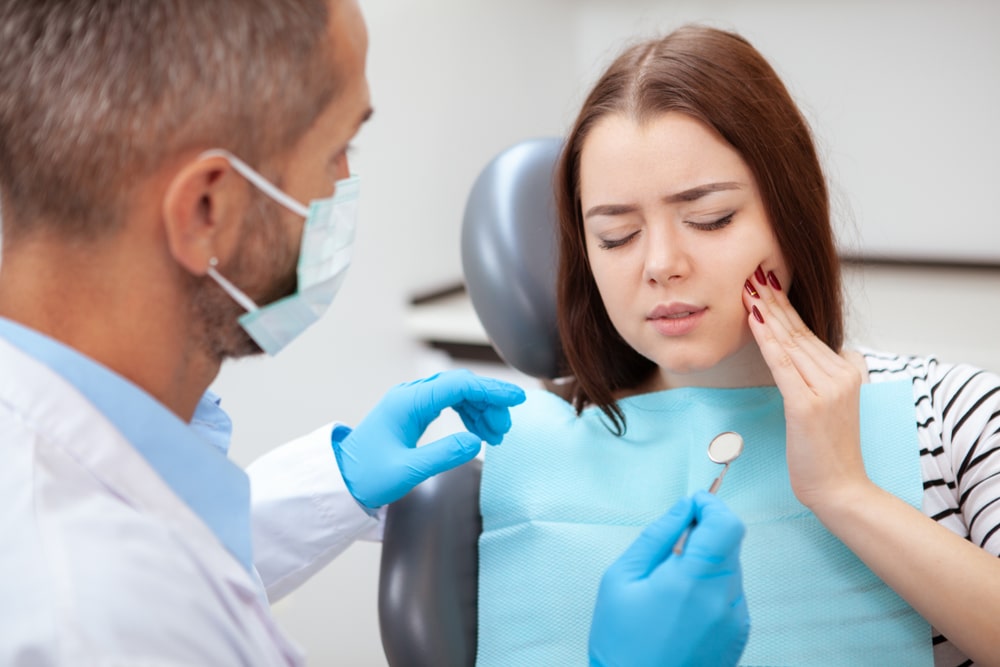
The Impact Of Neglecting Dental Emergencies
Ignoring a dental emergency can lead to bigger problems. Infection can spread, cracks can worsen into fractures, and untreated trauma can create long-term bite issues. Even if symptoms temporarily improve, the underlying issue may still be present.
Delaying care can lead to:
- Increased pain and swelling.
- Higher risk of infection and abscess formation.
- Greater tooth damage requiring more complex treatment.
- Tooth loss that might have been preventable.
- Longer recovery times and higher overall cost.
Preventing Dental Emergencies
Not every emergency can be prevented, but many can be reduced with proactive habits and routine dental care. Prevention focuses on protecting teeth from trauma and catching problems early.
Helpful prevention strategies include:
- Routine visits: Scheduling regular cleanings and exams to identify issues early.
- Mouth guards: Wearing a mouth guard during sports or high-impact activity.
- Nightguards: Using a nightguard if you grind or clench your teeth.
- Avoiding hard objects: Skipping habits like chewing ice or using teeth as tools.
- Addressing pain early: Scheduling an evaluation at the first sign of sensitivity or discomfort.
Get Fast Relief With Emergency Dentistry
If you are dealing with sudden tooth pain, a broken tooth, or a dental injury, you do not have to wait and hope it gets better. Emergency dentistry can provide relief, protect your smile, and help prevent complications. Contact Dental Spa of Orange for prompt care and clear next steps for emergency dental treatment in Orange, CA.