
Replacing missing teeth is about more than filling a space in your smile. It is about restoring comfort, bite strength, and confidence so you can eat, speak, and laugh without hesitation. Dental implants are a modern tooth replacement option designed to look natural and feel secure, helping many patients return to a more normal routine. At Dental Spa of Orange, we create personalized implant plans for patients in Orange, CA who want reliable, long-term tooth replacement.
What Are Dental Implants?
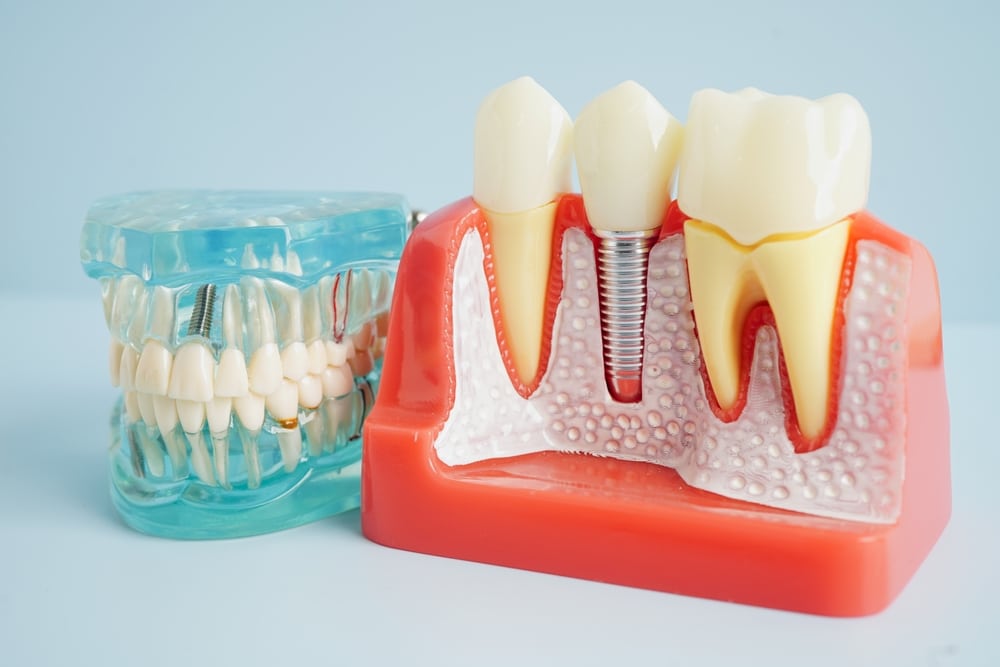
A dental implant is a small, durable post that is placed in the jawbone to act as an artificial tooth root. After placement, the bone heals around the implant in a process called osseointegration, creating a stable foundation for a restoration such as a crown, bridge, or denture. Because implants replace the root as well as the visible tooth, they can provide a strong, functional result that supports long-term oral health.
Dental implants are designed to:
- Restore chewing ability and bite stability.
- Replace missing teeth with natural-looking results.
- Support jawbone health by stimulating the bone during function.
- Help prevent shifting of nearby teeth into open spaces.
Comparing Dental Implants To Other Tooth Replacement Options
There are several ways to replace missing teeth, and the best choice depends on your needs, timeline, and goals. Implants are often considered a premium option because they provide stability and help support jawbone health.
Here is how implants compare to other common solutions:
- Removable dentures: Dentures can restore appearance and function, but may shift and typically do not stimulate the jawbone the same way implants do.
- Dental bridges: Bridges can replace a missing tooth by using neighboring teeth as anchors, but they may require reshaping healthy teeth to support the bridge.
- Dental implants: Implants stand independently in the jawbone, which can preserve adjacent tooth structure and provide strong, stable support.
When we evaluate tooth replacement options, we consider your bite, bone levels, gum health, and long-term maintenance needs so you can choose a solution that fits your lifestyle.

The Dangers Of Resorption After Tooth Loss
After tooth loss, the jawbone can begin to shrink in that area because the tooth root is no longer present to stimulate the bone. This process is called resorption. Over time, resorption may affect facial structure, bite stability, and your options for tooth replacement.
Resorption can contribute to:
- Changes in facial support and smile appearance.
- Increased shifting of nearby teeth into the open space.
- A higher risk of bite imbalance and uneven chewing pressure.
- Less bone volume, which may complicate future tooth replacement.
Because implants function like artificial roots, they can help reduce bone loss by restoring stimulation through normal biting and chewing.
The Process
Dental implant treatment is typically completed in phases so your body has time to heal and build stability. The exact steps depend on your case, including whether you need extractions, bone support, or temporary restorations.
Common phases include:
- Consultation and planning: We evaluate your mouth, discuss goals, and determine if implants are a good fit.
- Preparation: If needed, we address gum health, remove damaged teeth, or plan for bone support.
- Implant placement: The implant is placed in the jawbone in a precise location for long-term success.
- Healing: The bone integrates with the implant over time to create a stable foundation.
- Restoration: A crown, bridge, or denture is attached to complete your smile and restore function.
Throughout the process, we provide clear guidance so you know what to expect, how to care for the area, and how to stay comfortable.
Types Of Dental Implants
Implant plans vary based on how many teeth are missing and how you want your final smile to function. Some patients need one implant, while others benefit from implant-supported solutions that replace multiple teeth.
Types of implant-supported restorations may include:
- Single-tooth replacements.
- Multi-tooth bridges anchored by implants.
- Dentures that attach to implants for added stability.

Single Tooth Implants
A single tooth implant replaces one missing tooth without relying on neighboring teeth for support. The implant acts as the root, and a custom crown completes the visible portion.
Single tooth implants can offer:
- A natural look that blends with surrounding teeth.
- Strong bite function similar to natural teeth.
- Protection for nearby teeth because no reshaping is required.
- Easier cleaning compared to some bridge designs.

Implant-Supported Bridges
An implant-supported bridge replaces multiple missing teeth in a row. Rather than using natural teeth as anchors, the bridge is supported by implants placed in strategic locations. This can restore function across a larger span while maintaining stability.
Implant-supported bridges may help:
- Restore chewing efficiency across multiple missing teeth.
- Reduce shifting and bite changes from tooth loss.
- Provide a stable, fixed solution that feels more natural than removable options.
Implant-Supported Dentures
Implant-supported dentures attach to implants for improved security. This can be especially helpful for patients who struggle with the movement and fit concerns that can come with traditional dentures. Implant-supported dentures may be removable or fixed, depending on the design.
Benefits may include:
- Stability: Reducing slipping during speaking and eating.
- Comfort: Minimizing friction and sore spots in many cases.
- Confidence: Supporting a more secure feel in everyday life.
- Function: Improving bite strength compared to traditional dentures.
What To Expect During Recovery
Recovery varies from person to person, but most patients can return to many normal routines relatively quickly. You may experience mild swelling, tenderness, and temporary dietary restrictions as the area heals. We will provide specific instructions to protect the implant site and support successful healing.
Common recovery guidance includes:
- Diet: Eating softer foods for a period of time as directed.
- Oral hygiene: Keeping the area clean with gentle brushing and any recommended rinses.
- Activity: Avoiding strenuous activity for a short time after placement.
- Follow-ups: Attending visits so we can monitor healing and confirm stability.
Once healing is complete and the restoration is placed, implants are cared for much like natural teeth with consistent brushing, flossing, and routine dental visits.

Restore Your Smile With Secure, Natural-Looking Dental Implants
If you are ready to replace missing teeth with a solution designed for long-term stability, dental implants may be the right next step. Our team will guide you through your options, explain the process clearly, and help you choose a plan that fits your goals and comfort. Schedule an implant consultation with Dental Spa of Orange and take the first step toward a stronger, more confident smile in Orange, CA.