
When a tooth is damaged, weakened, or heavily filled, it may need more than a small repair to stay strong long term. Porcelain dental crowns are designed to restore function, protect the remaining tooth structure, and improve the appearance of a tooth that has been compromised by decay, fractures, or past dental work. A crown acts like a protective cap, covering the tooth so you can bite and chew more comfortably while preserving the tooth beneath it. At Dental Spa of Orange, we provide custom porcelain crowns for patients in Orange, CA who want durable protection with a natural-looking finish.
How Porcelain Dental Crowns Restore Damaged Or Weak Teeth
A dental crown covers the entire visible portion of a tooth above the gumline. It is typically recommended when a tooth has lost significant structure and needs reinforcement that a filling cannot provide. Crowns are used to restore strength, protect against further damage, and improve the tooth’s shape and appearance.
Crowns may be recommended when a tooth has:
- Extensive decay that compromises tooth strength.
- A large filling that weakens the remaining enamel.
- Cracks or fractures that could worsen without protection.
- Severe wear from clenching or grinding.
- Cosmetic concerns combined with structural weakness.
- A root canal that has left the tooth more vulnerable.
By encasing the tooth, a crown helps distribute chewing forces more evenly and reduces the risk of future fracture. Crowns can also improve comfort if a tooth feels fragile or sensitive due to damage.
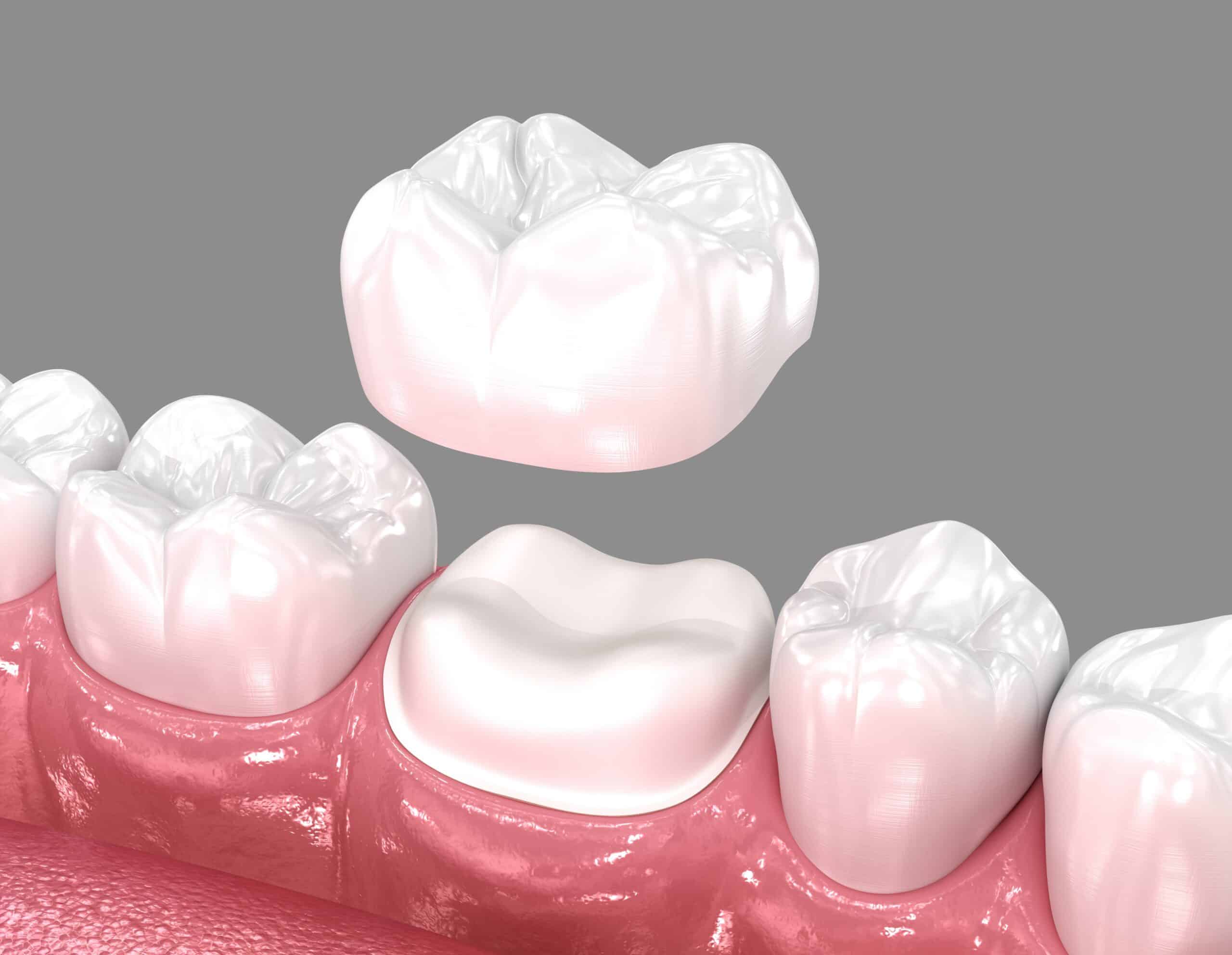
The Process Of Getting A Custom-Fit Crown
A crown should look natural, feel comfortable, and fit precisely along the gumline. That requires thoughtful planning and careful detail at each step. The crown process typically takes place over multiple visits, though timelines can vary depending on the case.
- Evaluation: Examining the tooth, checking surrounding gum health, and confirming a crown is the best option.
- Preparation: Removing weakened tooth structure and shaping the tooth to support the crown.
- Impressions or scans: Capturing accurate measurements for a custom fit.
- Temporary crown: Placing a temporary crown in many cases to protect the tooth while the final crown is made.
- Final placement: Bonding the final crown in place, confirming fit, and refining bite comfort.
- Tooth structure: How much healthy tooth remains and how to reinforce it properly.
- Bite pressure: Where chewing forces hit so the crown is not overloaded.
- Shade matching: Selecting a porcelain shade that blends with neighboring teeth.
- Gumline fit: Ensuring a sealed, comfortable margin for long-term stability.
- Long-term protection: Assessing whether a nightguard is recommended for grinding.
After placement, we check how your teeth come together to ensure the crown feels natural when chewing. A well-fitting crown should not feel “high” or interfere with your bite.

The Benefits Of Porcelain Material In Dental Crowns
Porcelain is often chosen for crowns because it can closely mimic natural tooth enamel. It reflects light in a similar way, which helps crowns blend into your smile, especially on visible teeth. Porcelain also allows for detailed shaping, so the crown can match the contours and proportions of surrounding teeth.
Benefits of porcelain crowns may include:
- Natural appearance: A lifelike look that blends with natural enamel.
- Custom shade: The ability to match tooth color for seamless aesthetics.
- Smooth finish: A polished surface that feels comfortable in the mouth.
- Confidence: A restoration that supports both function and appearance.
Material choice depends on where the crown is placed and how much biting pressure it will receive. We recommend the most appropriate option based on your tooth location, bite forces, and cosmetic goals.
How Crowns Can Preserve Teeth After Root Canal Therapy
Root canal therapy removes infected or inflamed tissue from inside a tooth, which can relieve discomfort and preserve the natural tooth. After a root canal, a tooth may be more prone to fracture because it can become more brittle over time and may have less remaining structure due to the decay or damage that led to treatment.
- Protect the tooth from cracking under chewing forces.
- Seal and reinforce the remaining tooth structure.
- Restore strength so the tooth can function normally.
- Support long-term preservation of the treated tooth.
Crowns are especially important for back teeth after root canal therapy because molars and premolars handle most chewing pressure. Without a crown, a treated tooth may be at higher risk for fracture, which can lead to more complex treatment or tooth loss.
If you have had root canal therapy or have been told you may need it, we will explain whether a crown is recommended, what the timeline looks like, and how it supports long-term results.
- Brush and floss daily to keep the gumline healthy.
- Keep regular cleanings and exams so we can monitor the crown and surrounding tooth.
- Avoid chewing ice or very hard objects that can damage porcelain.
- Use a nightguard if you grind or clench to reduce excessive pressure.
With proper care, a porcelain crown can provide long-lasting protection and help you maintain a comfortable, functional bite.
Restore Strength & Confidence With Porcelain Dental Crowns
If you have a tooth that feels weak, has extensive decay, or needs protection after root canal therapy, a porcelain crown can restore both function and natural appearance. Our team will guide you through the process, keep you comfortable, and create a custom crown designed to fit beautifully and last. Schedule a visit with Dental Spa of Orange to learn more about porcelain dental crowns and restore your smile in Orange, CA.